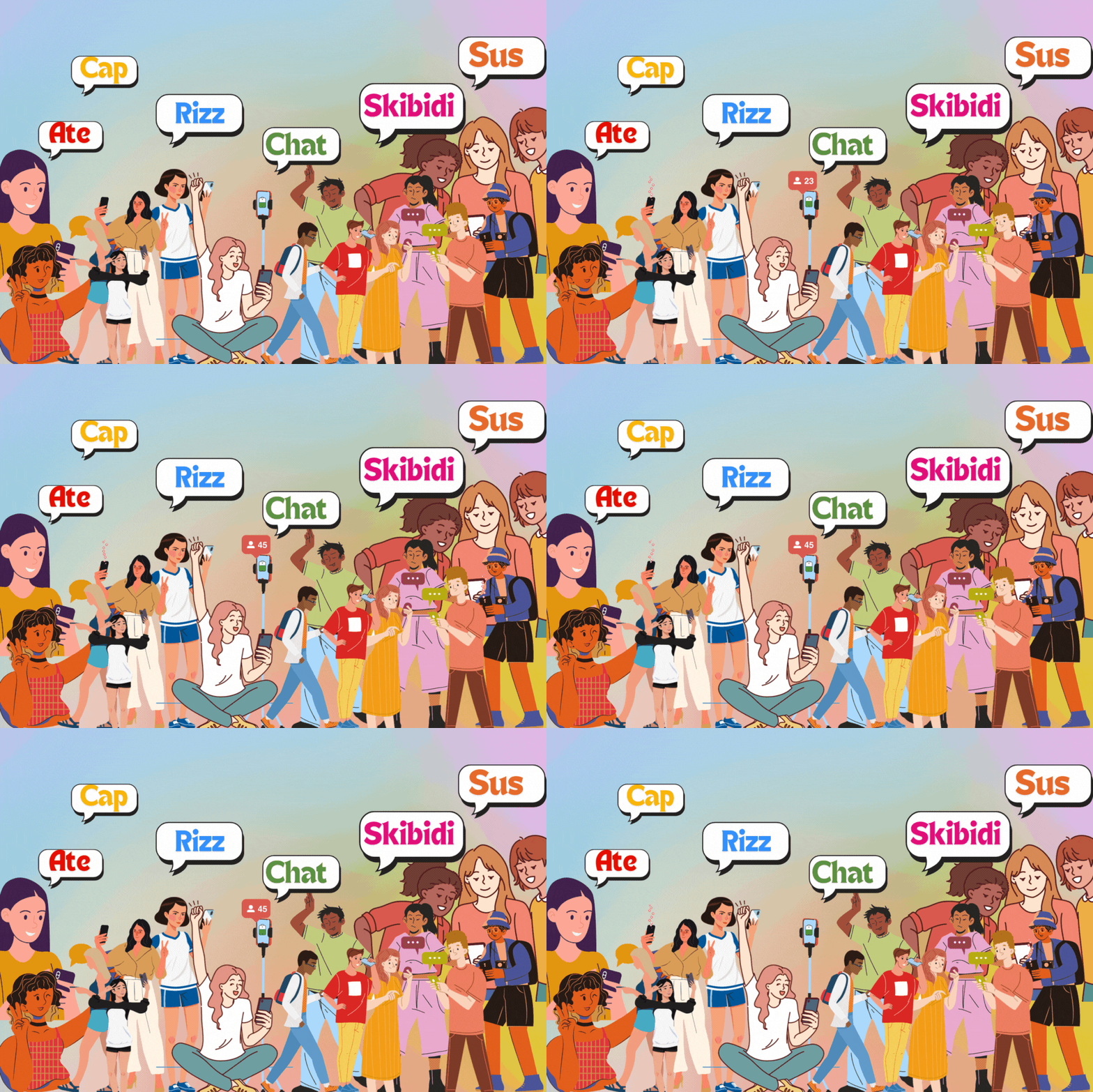
A relevant topic that I thought to myself about texting a message to my friends was how we communicate completely changes online. The way we talk is basically a whole new language that we all just collectively decided to learn and understand without declaring it. Anthropologists call this Computer-Mediated Communication, and it’s changing how we express ourselves. In person, we depend heavily on physical body language and tone of voice to convey our words, but now we’ve had to replace those things with using lowercase vs uppercase letters and emojis to show our emotions. And if you’re parents or grandparents complain (as mine often do) about kids online getting lazier because of their bad grammar or new words, that’s actually because our brains consider communicating online almost as a new language and is therefore getting better at “code-switching” between the formal English our teachers want, and the fast-paced, vulgar language of our group chats.
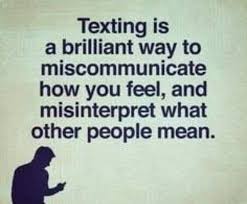
This shift is super interesting because it shows how humans will always find a way to be expressive, even through a glowing screen. Our brain’s ability to adapt so quickly and be able to socially function in different scenarios is really interesting to study. A simple period at the end of a text message can now be interpreted as a sign that someone is mad at you, even though the other side of our brain knows that it’s technically just a punctuation mark. This evolution shows that English, but also any language, is not a defined set of rules in a dictionary, but can easily adapt and convey different meanings based on how we need to connect with each other. This is one of the fastest linguistic shifts in history, and most of us are doing it just by sending funny memes to each other.
Works Cited
McCulloch, G. (2019). Because Internet: Understanding the New Rules of Language.
Crystal, D. (2006). Language and the Internet.
 The New Anthropologist
Leave a comment